The island of Unguja, wrongly called Zanzibar, is located 40 km from the African coast. It is the largest island of the Zanzibar archipelago which notably includes the islands of Pemba and Mafia. It is the contraction of the words Tanganyika and Zanzibar which, in 1964, gave the name of Tanzania. Although still quite protected from mass tourism, Zanzibar is often the last stop on safari tours in Tanzania.
Its postcard decor is conduciveto the pursuit of wonder and a total decompression before returning to “civilization”. Nicknamed the spice island because of the diversity and quantity of spices grown there for centuries, Zanzibar has more than one face ; paradisiacal beaches, equatorial forests, pretty fishing villages, and superb landscapes. Zanzibar is truly an island worth visiting.
The spice island
The island of Unguja, wrongly called Zanzibar, is located 40 km from the African coast. It is the largest island of the Zanzibar archipelago which notably includes the islands of Pemba and Mafia. It is the contraction of the words Tanganyika and Zanzibar which, in 1964, gave the name of Tanzania. Although still quite protected from mass tourism, Zanzibar is often the last stop on safari tours in Tanzania.
Its postcard decor is, in fact, conducive to the pursuit of wonder and a total decompression before returning to “civilization”. Nicknamed the spice island because of the diversity and quantity of spices grown there for centuries, Zanzibar has more than one face; paradisiacal beaches, equatorial forests, pretty fishing villages, and superb landscapes. Zanzibar is truly an island worth visiting.
The spice island
The island of Unguja, wrongly called Zanzibar, is located 40 km from the African coast. It is the largest island of the Zanzibar archipelago which notably includes the islands of Pemba and Mafia. It is the contraction of the words Tanganyika and Zanzibar which, in 1964, gave the name of Tanzania. Although still quite protected from mass tourism, Zanzibar is often the last stop on safari tours in Tanzania.
Its postcard decor is, in fact, conducive to the pursuit of wonder and a total decompression before returning to “civilization”. Nicknamed the spice island because of the diversity and quantity of spices grown there for centuries, Zanzibar has more than one face; paradisiacal beaches, equatorial forests, pretty fishing villages, and superb landscapes. Zanzibar is truly an island worth visiting.
A rich and original culture and history.
Zanzibar is the result of a rich and turbulent history with multiple influences (Arab, African, British and Indian). A commercial hub in this area of the Indian Ocean for centuries, its predominantly Muslim population is one of the most mixed in Africa and has unique cultural traditions.
More focused on tourism today, the archipelago of Zanzibar has many assets such as its coral reef, its exceptional seabed, its endemic fauna and flora, its plantations of spices, a very pretty timeless capital as well as one of the most pleasant climates in the dry season. Lost on the other side of the world, it is a unique placethat constantly involves our 5 senses and where the notion of time is almost non-existent. Change of scenery guaranteed !
A rich and original culture and history.
Zanzibar is the result of a rich and turbulent history with multiple influences (Arab, African, British and Indian). A commercial hub in this area of the Indian Ocean for centuries, its predominantly Muslim population is one of the most mixed in Africa and has unique cultural traditions.
More focused on tourism today, the archipelago of Zanzibar has many assets such as its coral reef, its exceptional seabed, its endemic fauna and flora, its plantations of spices, a very pretty timeless capital as well as one of the most pleasant climates in the dry season. Lost on the other side of the world, it is a unique placethat constantly involves our 5 senses and where the notion of time is almost non-existent. Change of scenery guaranteed!
A rich and original culture and history.
Zanzibar is the result of a rich and turbulent history with multiple influences (Arab, African, British and Indian). A commercial hub in this area of the Indian Ocean for centuries, its predominantly Muslim population is one of the most mixed in Africa and has unique cultural traditions.
More focused on tourism today, the archipelago of Zanzibar has many assets such as its coral reef, its exceptional seabed, its endemic fauna and flora, its plantations of spices, a very pretty timeless capital as well as one of the most pleasant climates in the dry season. Lost on the other side of the world, it is a unique placethat constantly involves our 5 senses and where the notion of time is almost non-existent. Change of scenery guaranteed!
What to do in Zanzibar?
What to do in Zanzibar ?
What to do in Zanzibar?
A Dhow Cruise
Taking a small cruise on these typical and original small boats is a wonderful way to discover the coasts of Zanzibar in the company of the locals.
Stone Town
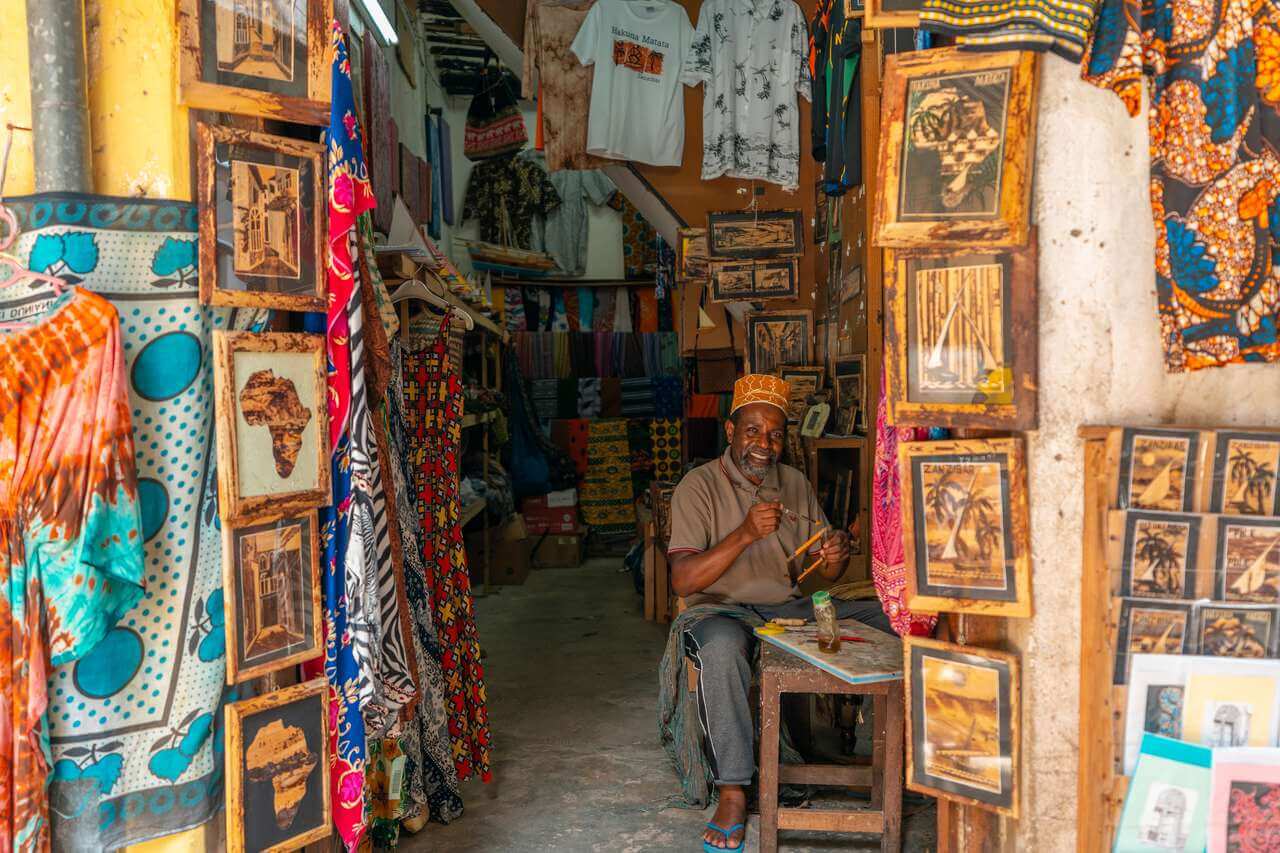
This pretty district of Zanzibar City with its fragrant markets, its unique mix of architecture, its colorful alleys and its ultra-mixed population is a must!
The forest of josiani
The Josiani forest is a superb tropical jungle. Endowed with a singular fauna and flora, it is also the natural habitat of colobus, the famous monkey of Zanzibar.
The village of Jambiani
Visiting Jambiani, one of the most beautiful fishing villages on the island of Ugunja, will allow you to discover ancestral fishing techniques of the archipelago.
A DHOW CRUISE Taking a small cruise on these typical and original small boats is a wonderful way to discover the coasts of Zanzibar in company of welcoming locals.
STONE TOWN This pretty district of Zanzibar City with its fragrant markets, its unique mix of architecture, its colorful alleys and its ultra-mixed population is a must!
JOSIANI FOREST It is a superb tropical jungle. Endowed with a singular fauna and flora, it is also the natural habitat of colobus, the famous monkey of Zanzibar.
JAMBIANI VILLAGE Visiting Jambiani, one of the most beautiful fishing villages of Ugunja, will allow you to discover ancestral fishing techniques of the archipelago.
A Dhow cruise
Taking a small cruise on these typical and original small boats is a wonderful way to discover the coasts of Zanzibar in the company of the locals.
VISIT Stone Town
This pretty district of Zanzibar City with its fragrant markets, its unique mix of architecture, its colorful alleys and its ultra-mixed population is a must!
The forest of Josiani
The Josiani forest is a superb tropical jungle. Endowed with a singular fauna and flora, it is also the natural habitat of colobus, the famous monkey of Zanzibar.
The village of Jambiani
Visiting Jambiani, one of the most beautiful fishing villages on the island of Ugunja, will allow you to discover ancestral fishing techniques of the archipelago.
spice plantations
Cloves, cumin, cinnamon, cardamom and pepper are just some of the many spices grown on Zanzibar and exported around the world.
RELAXATION AND BEACHES
Pristine white sand beaches lined with coconut palms. Warm and crystal clear turquoise waters. Zanzibar is a real little paradise to recharge your batteries.
scuba diving
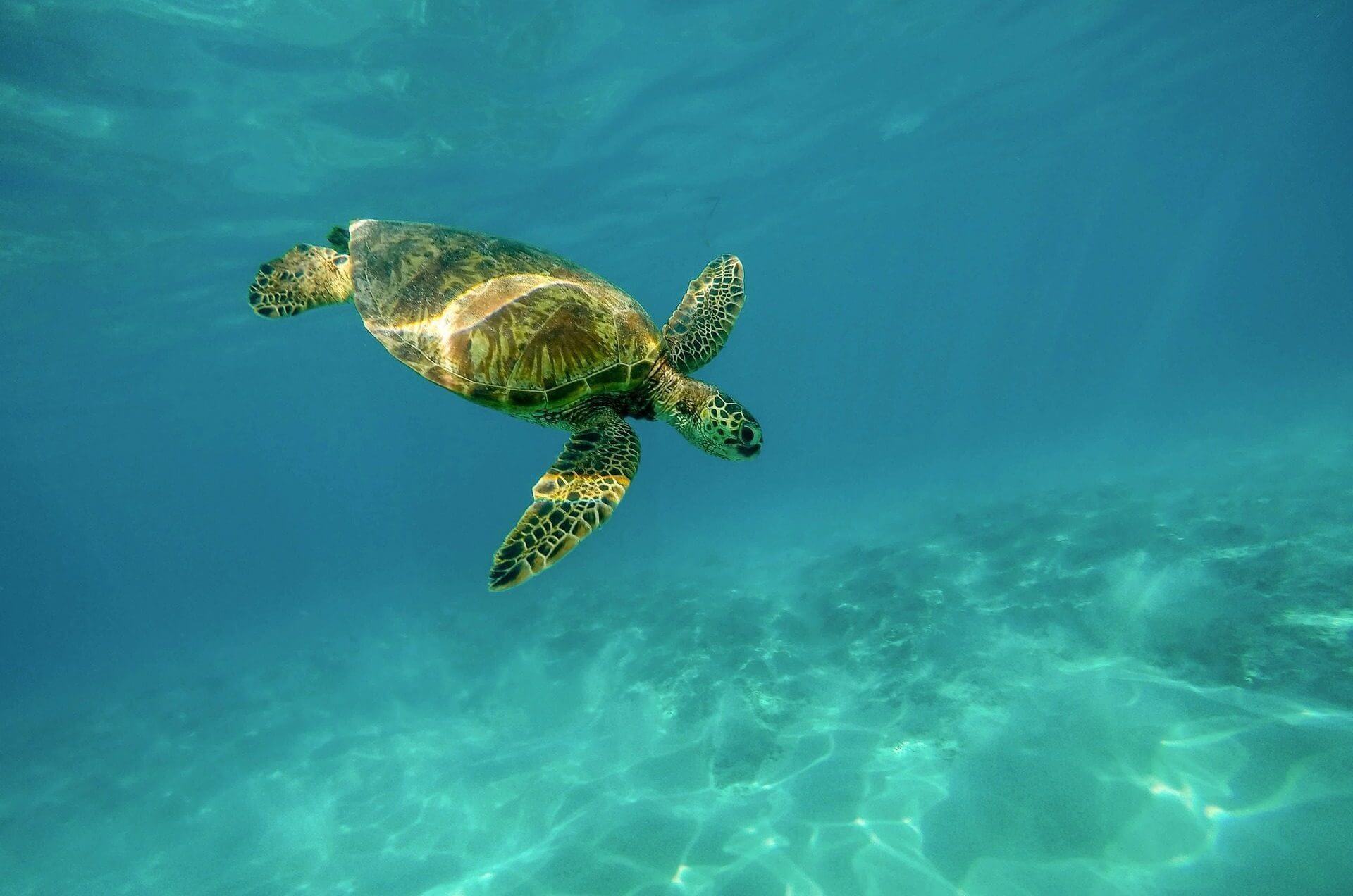
With its 1 km wide coral reef, Zanzibar is an exceptional spot for diving. Rays, turtles, dolphins, moray eels and more than 500 species inhabit its waters!
Prison Island
Changuu Island owes its nickname to its former status as a yellow fever quarantine station. We also come across incredible turtlesgiant terrestrials.
SPICE PLANTATIONS Cloves, cumin, cinnamon, cardamom are just some of the many spices grown on Zanzibar and exported around the world for centuries
BEACHES Pristine white sand beaches lined with coconut palms and crystal clear turquoise waters. Zanzibar is a real paradise to refull bodies and souls.
SCUBA DIVING With its 1 km wide coral reef, Zanzibar is an exceptional spot for diving. Rays, turtles, dolphins, morayeels and more than 500 species inhabit its waters!
PRISON ISLAND Changuu Island owes its nickname to its former status as a yellow fever quarantine station. We can also meet incredible turtles giant terrestrials.
Les plantations d'épices
Lorem ipsum dolor sit amet, consectetur adipiscing elit. Ut elit tellus, luctus nec ullamcorper mattis, pulvinar dapibus leo.
Farniente sur les plages
Lorem ipsum dolor sit amet, consectetur adipiscing elit. Ut elit tellus, luctus nec ullamcorper mattis, pulvinar dapibus leo.
Plongée sous-marine
Lorem ipsum dolor sit amet, consectetur adipiscing elit. Ut elit tellus, luctus nec ullamcorper mattis, pulvinar dapibus leo.
Prison Island
Lorem ipsum dolor sit amet, consectetur adipiscing elit. Ut elit tellus, luctus nec ullamcorper mattis, pulvinar dapibus leo.
When to go to Zanzibar ?
Zanzibar enjoys an equatorial climate. Very humid during the rainy season (from the beginning of March to the end of May), it is preferable to favor the rest of the year to go there. The so-called “dry” season runs from June to Octoberwith fairly mild temperatures (22 to 25°). It is a little warmer there in winter but the thermal amplitude is not very important. When it comes to swimming, there are no seasonal concerns, the temperature fluctuates between 25 and 30° all year round.
Where to stay in Zanzibar ?
The two main types of accommodation in Zanzibar are hotels and lodges. From the small basic hotel to the 5 star, there really is something for every budget. In terms of prices, for a lodge count from 75 to 150 € per night per person. On the hotelside, count from 40 to 75 € for a 1 or 2 *, from 45 to 90 € for a 3 * and from 150 to 400 € for a 4-5 *. The accommodation offer is large enough and well distributed throughout the island. It all depends on the desired style of travel (visiting the island, beaches or a mix of both).
How to get around Zanzibar ?
For total independence and provided that driving on the left does not frighten you, the rental car is essential. As for prices, count 50 € per day(excluding fuel costs)for a small vehicle, 70 €for the intermediate size, 110-120 € for a sedan and more than 150 € for an SUV. If you don’t need a car on a daily basis, a taxiis a more economical solution, provided you negotiate the price of your trip carefully because there are no meters. Otherwise, for short journeys, prefer the daladas, local mini-buses (about 1 € / person / journey).
Where to eat in Zanzibar ?
Eating for € 5-10 per meal is easy in Zanzibar. Just go to the small typical restaurants frequented by the locals. There are “Tanzanian” dishes such as pilau (rice and vegetables) or chipsy mayai (omelette and fries) for 1.5 to 3-4 €. In cheap tourist restaurants, count from 7 to 12 € per dish. Otherwise, it’s between 25 to 50 € per person for a full meal (3 courses) in classic establishments. As for drinks, the prices are about half as high as in Europe. However, they can vary greatly from one place to another.
When to go to Zanzibar ?
Zanzibar enjoys an equatorial climate. Very humid during the rainy season (from the beginning of March to the end of May), it is preferable to favor the rest of the year to go there. The so-called “dry” season runs from June to Octoberwith fairly mild temperatures (22 to 25°). It is a little warmer there in winter but the thermal amplitude is not very important. When it comes to swimming, there are no seasonal concerns, the temperature fluctuates between 25 and 30° all year round.
Where to stay in Zanzibar ?
The two main types of accommodation in Zanzibar are hotels and lodges. From the small basic hotel to the 5 star, there really is something for every budget. In terms of prices, for a lodge count from 75 to 150 € per night per person. On the hotelside, count from 40 to 75 € for a 1 or 2 *, from 45 to 90 € for a 3 * and from 150 to 400 € for a 4 -5 *. The accommodation offer is large enough and well distributed throughout the island. It all depends on the desired style of travel.
How to get around Zanzibar ?
For total independence and provided that driving on the left does not frighten you, the rental car is essential. As for prices, count 50 € per day(excluding fuel costs)for a small vehicle, 70 €for the intermediate size, 110-120 € for a sedan and more than 150 € for an SUV. If you don’t need a car on a daily basis, a taxiis a more economical solution, provided you negotiate the price of your trip carefully because there are no meters. Otherwise, for short journeys, prefer the daladas, local mini-buses (about 1 € / person / journey).
Where to eat in Zanzibar ?
Eating for € 5-10 per meal is easy in Zanzibar. Just go to the small typical restaurants frequented by the locals. There are “Tanzanian” dishes such as pilau (rice and vegetables) or chipsy mayai (omelette and fries) for 1.5 to 3-4 €. In cheap tourist restaurants, count from 7 to 12 € per dish. Otherwise, it’s between 25 to 50 € per person for a full meal (3 courses) in classic establishments.
When to go to Zanzibar ?
Zanzibar enjoys an equatorial climate. Very humid during the rainy season (from the beginning of March to the end of May), it is preferable to favor the rest of the year to go there. The so-called “dry” season runs from June to Octoberwith fairly mild temperatures (22 to 25°). It is a little warmer there in winter but the thermal amplitude is not very important. When it comes to swimming, there are no seasonal concerns, the temperature fluctuates between 25 and 30° all year round.
Where to stay in Zanzibar ?
The two main types of accommodation in Zanzibar are hotels and lodges. From the small basic hotel to the 5 star, there really is something for every budget. In terms of prices, for a lodge count from 75 to 150 € per night per person. On the hotelside, count from 40 to 75 € for a 1 or 2 *, from 45 to 90 € for a 3 * and from 150 to 400 € for a 4-5 *. The accommodation offer is large enough and well distributed throughout the island. It all depends on the desired style of travel (visiting the island, beaches or a mix of both).
How to get around Zanzibar ?
For total independence and provided that driving on the left does not frighten you, the rental car is essential. As for prices, count 50 € per day(excluding fuel costs)for a small vehicle, 70 €for the intermediate size, 110-120 € for a sedan and more than 150 € for an SUV. If you don’t need a car on a daily basis, a taxiis a more economical solution, provided you negotiate the price of your trip carefully because there are no meters. Otherwise, for short journeys, prefer the daladas, local mini-buses (about 1 € / person / journey).
Where to eat in Zanzibar ?
Eating for € 5-10 per meal is easy in Zanzibar. Just go to the small typical restaurants frequented by the locals. There are “Tanzanian” dishes such as pilau (rice and vegetables) or chipsy mayai (omelette and fries) for 1.5 to 3-4 €. In cheap tourist restaurants, count from 7 to 12 € per dish. Otherwise, it’s between 25 to 50 € per person for a full meal (3 courses) in classic establishments. As for drinks, the prices are about half as high as in Europe. However, they can vary greatly from one place to another.